
Hydraulic System Improvements for Warranty and Cost Reduction
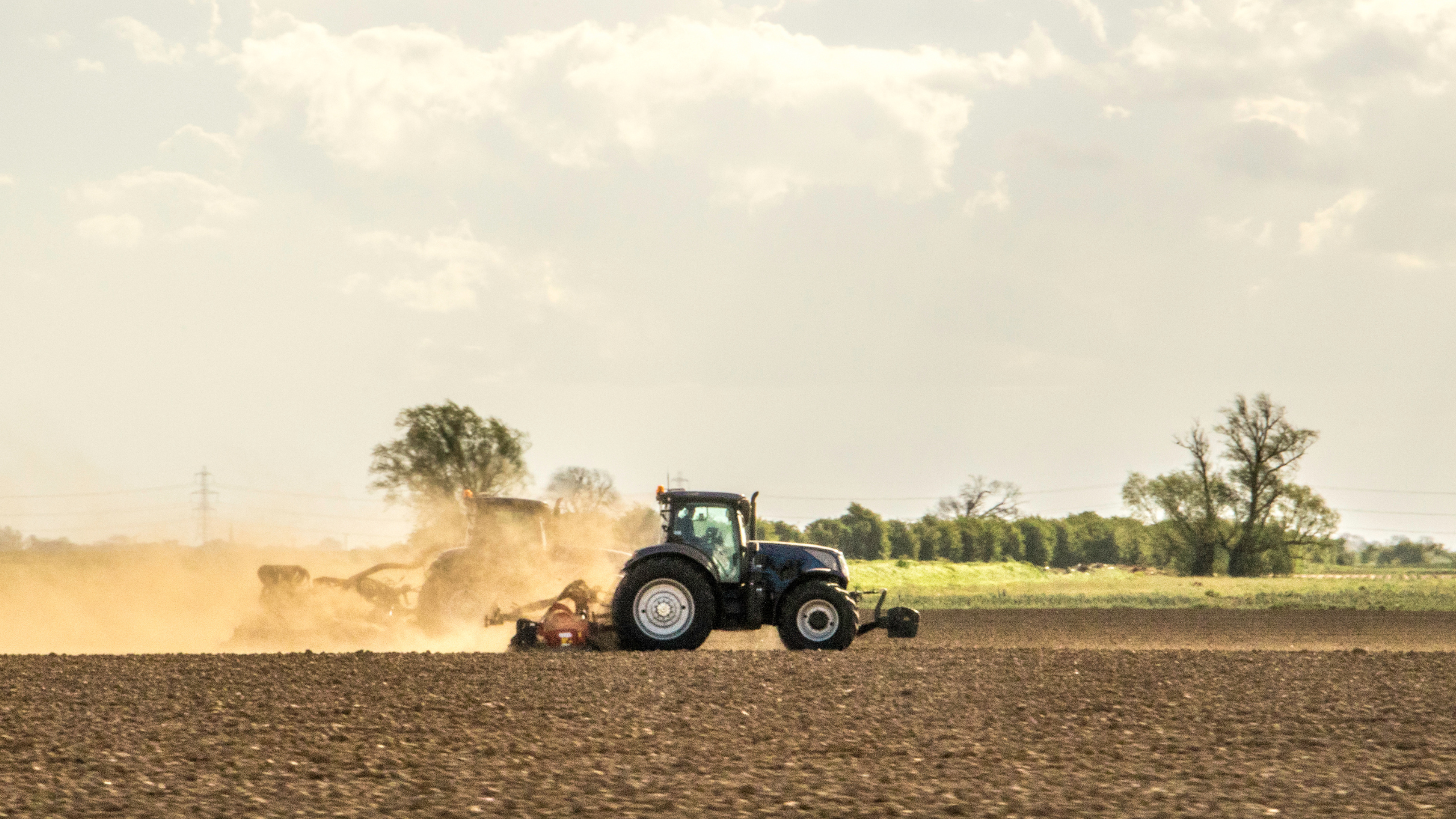
A successful improvement to an agricultural tractor’s hydraulic system over a six-month period led to thousands of dollars in warranty cost savings and reinforced the manufacturer’s reputation for reliability and serviceability.
Highlights
- Industry: Agriculture
- Project Duration: 6 Months
- Services Provided:
- Hydraulic Design
- Design for Manufacturing & Assembly
Background
An equipment manufacturer in the agriculture sector, specifically producing tractors, was facing significant issues with high warranty claims and operational costs. These problems stemmed from failures within the hydraulic systems of their tractors. The core issues were problems with hydraulic hose and tube routing, connection integrity, and an overly complex hydraulic circuit, which negatively impacted the equipment’s reliability and overall performance. The existing team brought ATG fractional team members onto the project to augment their staff and capability, including data analysis, design expertise, and project management.
Objective
The combined team’s primary goal was to pinpoint the fundamental causes of the hydraulic system failures and devise a strategy for hydraulic system improvements aimed at significantly reducing warranty claims. A key additional requirement from the client was that this strategy include a structured approach to decreasing the product cost compared to the existing design.
Assessment Phase
Upon initiating the project at the manufacturer’s facility, the ATG team immediately focused on uncovering the root causes of the hydraulic system failures and identifying improvements to routing and cost. Their investigation began with thoroughly evaluating the current hydraulic routing diagrams and installation procedures, actively looking for inefficiencies and inherent design for assembly issues.
The team analyzed warranty claim data and factory first-pass yield failures to gain deeper insights. This data helped identify recurring failure modes that pointed toward systemic issues within the hydraulic system’s design or assembly.
A factory walkthrough was conducted to observe the final product’s assembly process and quality firsthand. This allowed for direct identification of areas of concern on the production line. Finally, valuable feedback was gathered through interviews with the vehicle product development and test teams directly involved in designing, testing, and troubleshooting the equipment.
Each step of this comprehensive assessment brought the team closer to fully understanding the problems, paving the way for targeted and effective solutions.
Challenges
The investigation revealed several critical challenges undermining the reliability and efficiency of the hydraulic system. These issues, if left unaddressed, would continue to impact performance and incur costs.
A primary concern was the complex and inefficient hydraulic routing. This complexity introduced unnecessary vibration and stress on components, leading to frequent failures during equipment use. Compounding this, poorly routed hose connections often resulted in leaks and premature hose failures, further compromising system integrity.
Another significant issue was the excessive use of adapters. While sometimes necessary, their overuse complicated the assembly process and added numerous potential failure points to the system. Furthermore, the inadequate utilization of manifolds contributed to a higher overall part count and an increased risk of leaks, where a more integrated solution could have provided a cleaner and more robust design.
Finally, the system suffered from insufficient protection against environmental hazards such as debris and high operating temperatures, leaving it vulnerable to external damage. In addition, inadequate retention and support for hoses and tubes allowed for excessive movement and wear, which compromised the long-term durability of the system. These combined challenges highlighted an urgent need for a comprehensive redesign to improve system performance and reliability.
Proposed Solutions
To address the identified issues, the team proposed a series of strategic changes:
- Routing Optimization: The hydraulic routing was redesigned to minimize bends, reducing pressure loss and eliminating stress points. More robust mounting brackets were introduced to securely position hoses and tubes away from potential damage zones. Multiple fitting junctions were consolidated and replaced with manifolds, a change designed to reduce leak points and enhance overall reliability. The routing across the machine was also simplified to improve efficiency and ease of assembly, which concurrently reduced the total part count.
- Connection Upgrades: Recommendations were made to use a more conventional bend radius and incorporate straight lengths in tube and hose designs. These changes and improved tool access aimed to enhance assembly quality and reduce installation errors.
- Protective Measures: To improve durability, protective sleeves and guards were implemented around hoses, designed to shield them from environmental damage and mechanical impact.
- Implementation: The team developed the updated design and created detailed part drawings for a prototype release. Working in close collaboration with the manufacturer, they oversaw the implementation of these improvements in a prototype build, ensuring that the proposed changes were effectively integrated into the system.
Results
The implemented hydraulic system enhancements successfully translated into significant financial and operational gains. The project achieved a 15% overall cost reduction, which included a product cost decrease of several hundred dollars per tractor and delivered thousands of dollars in total warranty cost savings for the manufacturer.
The key to these savings was the simplification of the hydraulic system. Eliminating eight hydraulic lines, each contributing $15 to $25 in savings, also directly removed 12 potential leak points. This enhanced system integrity and, by making the redesigned system easier to assemble, led to a 10% reduction in assembly time, further streamlining production and contributing to cost efficiencies.
These improvements directly addressed the initial goals of reducing system failures and lowering operational costs. Ultimately, this initiative boosted customer trust and satisfaction, reinforcing the manufacturer’s reputation for producing reliable and serviceable agricultural tractors.