
Mastering Your Minutes: Essential Time Management Strategies for Engineers
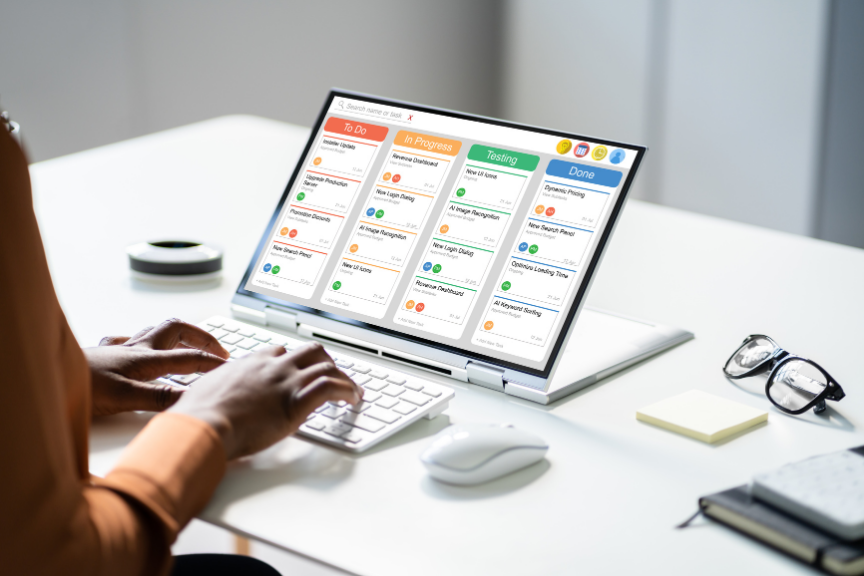
Engineering thrives on precision and optimization. Yet, many engineers struggle to apply these principles to their most valuable asset: time. Juggling complex projects, deadlines, and constant information flow can be overwhelming. Effective time management, requiring planning and self-control, isn’t just about keeping up; it’s vital for professional success without burnout.
Let’s explore proven time management strategies, techniques, and tools to enhance your productivity, mental clarity, and long-term career foundation. Effective time management positively impacts overall well-being.
Why is Time Management Important for Engineers?
Understanding the ‘why’ is key. In a demanding field like engineering, effective time management leads to:
- Enhanced Productivity and Efficiency: Focusing energy on high-impact tasks minimizes wasted effort and maximizes output, ensuring high-quality work and reliable deadline adherence.
- Reduced Stress and Burnout Prevention: Proper time management mitigates stress, fostering a healthier work-life balance crucial for long-term well-being, unlike poor time management which can negatively impact various life facets.
- Improved Decision-Making and Problem-Solving: Less time pressure allows for the mental clarity needed for critical thinking, meticulous analysis, and innovative solutions.
- Boosted Confidence and Professional Growth: Consistency builds reliability, earning trust and opening doors for career advancement.
Efficient Time Management Strategies for Your Engineering Toolkit
Time management is an ongoing process of organizing tasks and making efficient decisions. Experiment with these widely recognized methodologies to find what best suits your workflow:
Prioritization Power-Up: The Eisenhower Matrix
A cornerstone of time management is organizing your schedule. The Eisenhower Matrix categorizes tasks by urgency and importance into four quadrants:
- Do (Urgent and Important): Immediate deadlines, significant consequences. Address first (e.g., critical system outage troubleshooting).
- Defer/Schedule (Important but Not Urgent): Vital for long-term goals, no immediate deadline. Allocate dedicated time (e.g., researching a new tool, strategic planning). Experts suggest most tasks fall here or in “Do”.
- Delegate (Urgent but Not Important): Needs timely completion but not your unique expertise. Delegate when possible.
- Delete (Not Urgent and Not Important): Minimal value tasks that can be eliminated to preserve focus.
Using an Eisenhower Matrix template helps visualize and manage tasks, concentrating efforts on valuable activities.
For example, an urgent and important task might be troubleshooting a major system outage, while an important but not urgent task could be researching a new tool that will streamline future projects.
Focused Bursts: The Pomodoro Technique
A favorite for engineers seeking to balance intense focus with regular breaks, the Pomodoro Technique structures your workflow to prevent fatigue and maintain mental sharpness. The method is straightforward: work for a focused 25-minute stretch, then take a short 5-minute break. After completing four of these cycles, take a longer break, typically 15-30 minutes.
This “focused burst” approach combats the mental fatigue that arises from prolonged work sessions. For instance, when working on a complex CAD design for extended periods, the scheduled breaks help keep your mind fresh, enhancing your ability to spot details you might otherwise miss when exhausted. For engineers, this technique is particularly effective for tackling complex tasks requiring sustained concentration by breaking them down into more digestible chunks. To easily integrate this method into your daily routine, numerous productivity apps, such as Pomodone, offer dedicated Pomodoro timers.
Time Blocking: Architecting Your Day
Time blocking involves scheduling specific calendar blocks for particular tasks or work categories. Identify your peak mental acuity periods and allocate them for your most demanding tasks. For example, block 9-11 AM for system design, later blocking time for emails. Calendar tools (Google Calendar, Notion, Outlook) help structure your day and safeguard focus time.
Timeboxing: Setting Fixed Limits for Focused Execution
Timeboxing involves assigning a strict, fixed time limit to a task. When the time is up, you stop, finished or not. This method creates urgency, combats perfectionism and Parkinson’s Law (tasks expanding to fill time), and helps maintain focus and momentum across your workload.
The Multitasking Myth: Why Doing More Often Means Achieving Less
In engineering, multitasking is often mistaken for efficiency. Engineers frequently find themselves handling multiple tasks simultaneously, such as managing emails, writing code, and attending meetings. While this might seem productive at first glance, it typically results in decreased effectiveness and increased errors.
Context Switching Drains Focus
Our brains are not designed to truly multitask. Every time we switch from one task to another, we experience a context switch, which involves a mental adjustment period. This transition causes not only time loss but also mental fatigue, ultimately reducing the quality of complex work. The more frequent the switches, the greater the cognitive load, leading to diminished focus and productivity.
Lower Efficiency and Accuracy
Attempting to juggle several tasks concurrently often leads to mistakes and missed details. This is because the brain is forced to divide its attention, which results in compromised precision and a drop in productivity. As engineers, who rely heavily on accuracy and detail-oriented work, multitasking can be particularly detrimental, leading to lower quality outcomes and more time spent correcting errors.
Multitasking Fuels Procrastination
The overwhelming nature of trying to tackle everything at once can lead to procrastination. When faced with multiple tasks, the brain can become overloaded, making it difficult to start any single task. This can create a cycle of avoidance and delay. By focusing on one task at a time, engineers can reduce the feeling of being overwhelmed, making it easier to initiate and complete tasks efficiently. This single-task approach allows for deeper concentration and more effective time management.
Conquering Procrastination: Strategies to Initiate Action
Procrastination impedes productivity, even for capable engineers. Overcoming it requires self-discipline and understanding its roots, such as feeling overwhelmed, task unpleasantness, fear of failure, task ambiguity, or perfectionism. Identifying personal triggers is key.
Try these tactics:
- Eat the Big Frog First: Start your day with the most daunting task to boost productivity.
- Break It Down: Divide large projects into smaller, manageable tasks to reduce intimidation and build momentum.
- Implement a Reward System: Reward task completion with something enjoyable (e.g., a short break) to reinforce good habits.
- Set Clear Deadlines: Define specific deadlines, even artificial ones, for tasks and sub-tasks to ensure steady progress.
Leveraging Project Management Tools for Seamless Workflow
Engineers often manage multiple projects concurrently and collaborate extensively, making organization and clear communication essential. Project management tools have become indispensable for this, especially with the rise of remote and distributed teams. They streamline task completion and enhance productivity by allowing engineers to track progress, assign tasks, and set deadlines within one centralized space.
Choosing the Right Tool
Platforms like Trello, Asana, Monday.com, and Jira offer robust features to manage engineering workflows effectively:
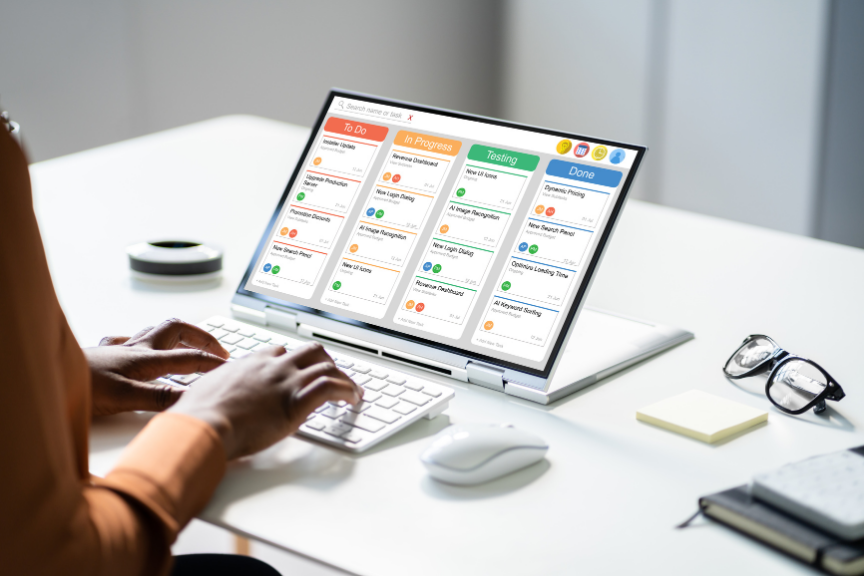
- Trello: Utilizes visual Kanban boards to visualize workflow. Its system lets engineers break complex projects into smaller tasks using lists like “To Do,” “In Progress,” and “Completed,” ensuring nothing slips through the cracks.
- Asana: Provides comprehensive planning capabilities, complete with task dependencies and multiple viewing options (list, board, timeline, calendar).
- Jira: Is specifically tailored for software development teams, offering strong support for bug/issue tracking and agile methodologies.
- Monday.com: Known for its highly visual and customizable interface, adaptable to a broad spectrum of project types and team configurations.
Benefits Beyond Task Tracking
These tools offer advantages extending beyond simple task lists. They serve as a centralized repository for project-related information, significantly reducing time otherwise spent searching through disparate email threads or chat logs. Furthermore, they facilitate clearer team communication and collaboration, improve visibility into overall project status for all stakeholders, and assist in the early identification of potential bottlenecks or risks. Integrating a suitable project management tool is a key element of efficient time management for contemporary engineers.
Integrating Continuous Learning into Your Schedule
Staying updated is crucial in the fast-evolving engineering field. Strategic time management is required to integrate continuous learning, freeing up energy for professional growth.
- Allocate Time for Skill Development: Treat learning as essential. Set aside regular time slots (weekly hours or a monthly day) for upskilling.
- Choose Relevant Skills: Focus on skills enhancing your current role, aligning with career goals, or emerging in your field (e.g., AI in CAD, cloud computing). This helps achieve personal and professional goals.
- Utilize Learning Platforms: Use flexible platforms like Coursera, Udacity, edX, and LinkedIn Learning for self-paced courses to update skills efficiently.
Regularly investing in learning boosts technical skills, increases market value, and enhances overall time management by equipping you with advanced methods.
Practical Examples: Time Management in Action
Consider these real-world applications:
- Example 1: A mechanical engineer at a manufacturing firm wanted to improve productivity. They began using Asana to manage projects, adopted the Pomodoro technique, and signed up for a time management course. Within three months, they reported a 20% increase in task completion and an improvement in work-life balance.
- Example 2: Another engineer who struggled with work overflow started using the Eisenhower Matrix to prioritize tasks and used time blocking to dedicate specific hours for high-focus work. As a result, they managed to cut down overtime by 30%.
Looking forward, engineers should keep an eye out for AI-driven project management tools and virtual reality training sessions. These emerging technologies can further streamline workflows and help engineers manage projects from anywhere, keeping productivity high regardless of location. AI tools, for example, are beginning to predict bottlenecks in workflows, providing even more proactive management options.
Closing Thoughts: Your Journey to Time Mastery
Effective time management is an ongoing discipline requiring continuous effort, reflection, and adaptation. Consistently applying techniques like prioritization (Eisenhower Matrix), focused work (Pomodoro), structured planning (time blocking), leveraging tools, and reserving time for learning builds a robust framework for professional effectiveness.
Mastering these strategies enables high-quality work, fosters innovation, advances your career, and preserves well-being by mitigating burnout. Embrace these techniques, experiment to find your best fit, and adapt as new tools emerge. Your sustained success depends on it.
Stay Connected!
For more insights on navigating your engineering career, productivity enhancements, and relevant industry trends, we invite you to follow Abundant Technology Group on our social media platforms.