
What Are Embedded Systems in Consumer Electronics? From Concept to Market
Key Takeaways
Embedded systems play a pivotal role in the consumer electronics landscape, serving as the hidden intelligence behind many of the devices we use daily. Here are some key takeaways:
- Fundamental Role: Embedded systems are integral to the functionality and performance of consumer electronics, providing dedicated functions within larger systems.
- Complex Development Process: The development of embedded systems involves careful planning and execution, from requirements analysis and system design to hardware prototyping and software development.
- Diverse Applications: Embedded systems are found in a wide range of consumer electronics, from standalone devices like digital cameras to networked systems in smart home technology.
- Technological Advancements: Innovations in microcontrollers, connectivity, AI, and machine learning are driving the evolution of embedded systems, enabling smarter and more efficient devices.
- Security Considerations: As embedded systems become more prevalent, ensuring their security against various threats is increasingly important.
- Market Dynamics: The demand for advanced consumer electronics continues to fuel the growth of the embedded systems market, emphasizing the need for innovation, cost-effectiveness, and regulatory compliance.
Understanding these aspects of embedded systems is crucial for anyone involved in the consumer electronics industry, as these systems will continue to shape the future of technology and connectivity.
Understanding Embedded Systems in Consumer Electronics
Embedded systems are fundamental to modern technology, and their importance in consumer electronics cannot be overstated. Embedded systems control numerous devices including consumer electronics such as MP3 players, televisions, and mobile phones. An embedded device within these systems manages specific functionalities, often incorporating various software layers and hardware components. These specialized computer systems are designed to perform dedicated functions within larger systems, and they are integral to the operation of a wide array of devices we use daily. From smartphones and wearable technology to home appliances, embedded systems are the unseen intelligence driving much of our technological world. This article provides an in-depth exploration of embedded systems, covering their basic concepts, the development process, market dynamics, key challenges, and the latest advancements shaping their future.
Fundamental Concepts of Embedded Systems
To truly understand the role of embedded systems, it’s essential to define embedded systems and examine their core components.
Definition and Components
So, what are embedded systems? An embedded system can be defined as a combination of hardware and software designed to perform a specific function within a larger mechanical or electrical system. Unlike general-purpose computers, which can handle a variety of tasks, embedded systems are designed for very specific tasks.
The key components of an embedded system include a microcontroller or microprocessor, which serves as the central processing unit (CPU) of the embedded system. Many embedded systems are built using microcontrollers, which integrate both the processor and memory into one chip. This component is responsible for executing the software instructions that enable the system to perform its specific tasks.
Memory is another crucial component of embedded systems. These systems typically incorporate both volatile memory, such as RAM, for temporary data storage, and non-volatile memory, like ROM or Flash, for the permanent storage of the system’s firmware. Flash memory chips play a critical role in storing program instructions and data even when the power is turned off. This combination ensures the system can efficiently process and store data.
Peripherals are the input/output (I/O) interfaces that allow the embedded system to interact with the external environment. These can include sensors, actuators, communication ports, and user interface elements, all of which play a vital role in the system’s functionality. Peripheral devices facilitate communication with external systems, supporting the overall functionality of the embedded devices. Devices with embedded systems often have user interfaces ranging from no UI to complex graphical user interfaces for enhanced interaction.
Embedded software, often referred to as firmware, is the set of instructions that controls the hardware and dictates the system’s behavior. Digital signal processors play a significant role in handling data processing and communication within embedded systems. This software is essential for managing the hardware resources and ensuring the system operates as intended. Developers utilize compilers, assemblers, and debuggers specifically designed for embedded systems software.
Finally, the power supply is a critical component, providing the necessary electrical energy to power the embedded system. Without a reliable power supply, the system cannot function effectively, highlighting its importance in the overall operation of embedded systems.
What is Embedded Systems Engineering?
It’s a discipline that focuses on the design, development, and implementation of embedded systems. Embedded systems engineering requires a deep understanding of both hardware and software, as well as the ability to integrate them effectively. Embedded systems engineers are involved in all stages of the development process, from initial requirements analysis and system design to hardware prototyping, software development, testing, and deployment. They work to optimize embedded systems for performance, reliability, power efficiency, and cost-effectiveness.
Types and Examples of Embedded Systems
Embedded systems can be classified in several ways, based on their complexity, performance requirements, and functional characteristics. Here are some of the primary types of embedded systems, with a focus on consumer electronics examples:
Standalone Embedded Systems
Standalone embedded systems function independently without requiring a host system. They have their own processing capabilities, memory, and I/O interfaces. A digital watch is a classic example of a standalone embedded system. It keeps track of time, displays it, and often includes additional features like alarms and timers without needing to be connected to a computer. Other examples of standalone embedded systems in consumer electronics include MP3 players, and some types of home appliances with dedicated functions.
Real-Time Embedded Systems
Real-time embedded systems are designed to provide responses to events within strict time constraints. These systems are crucial in consumer electronics like automotive airbag systems, where sensors must detect a collision and deploy the airbags almost instantaneously to ensure passenger safety.
Real-time systems are further categorized into hard real-time systems, which have the most stringent timing requirements, where missing a deadline can lead to catastrophic failure, and soft real-time systems, where missing a deadline is undesirable but does not lead to system failure.
Networked Embedded Systems
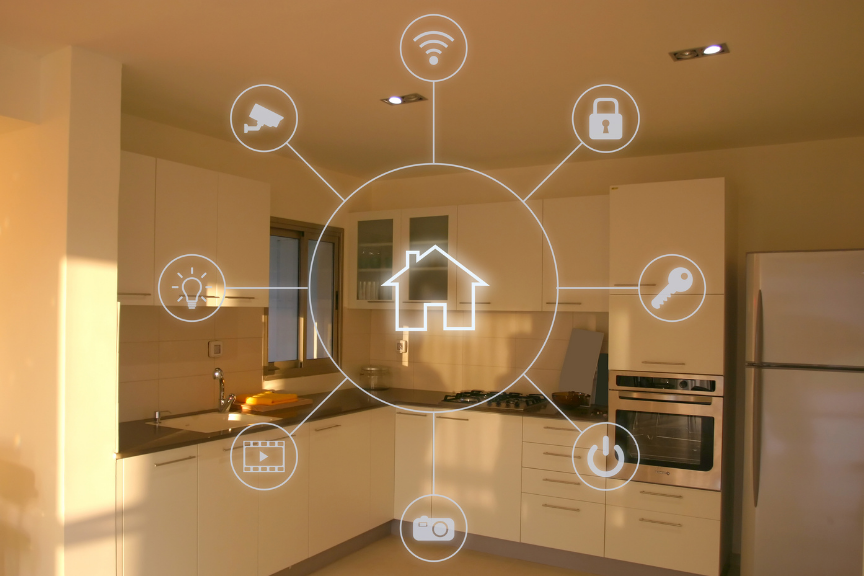
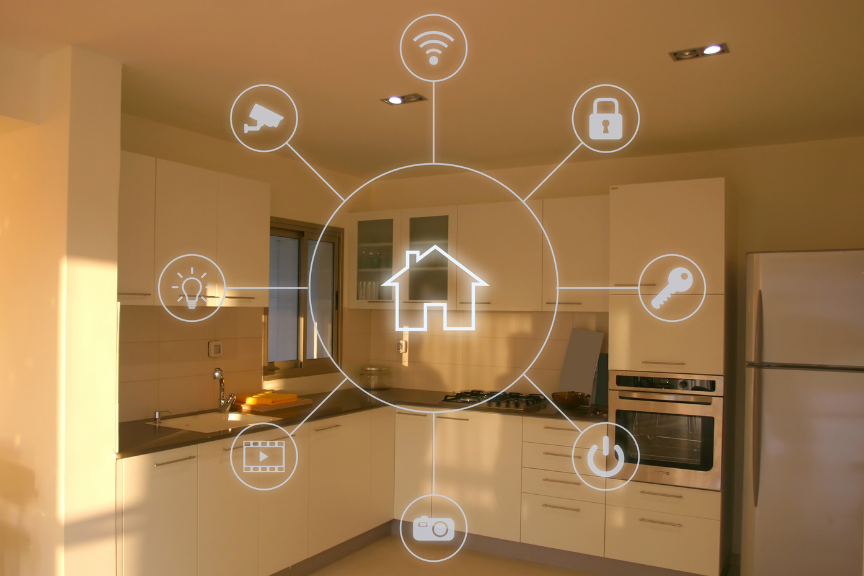
Networked embedded systems are connected to a network to communicate with other systems or devices. These systems are commonly used in home automation within consumer electronics, such as smart thermostats, lighting control, and security systems, which rely on network connectivity to provide users with remote control and monitoring capabilities.
Mobile Embedded Systems
Mobile embedded systems are integral to portable devices like smartphones, where performance and portability are crucial. These systems are optimized for limited power supplies and compact designs, making them ideal for devices requiring high processing power and low power consumption.
They feature advanced capabilities such as touchscreens, complex graphical user interfaces, and wireless connectivity, enhancing user interaction and connectivity. Integrated circuits within these systems manage tasks like image and data processing efficiently.
Developing mobile embedded systems involves optimizing hardware and software to ensure responsiveness and energy efficiency. As technology progresses, these systems incorporate innovations in machine learning and artificial intelligence, boosting the functionality of smartphones and portable devices.
Development Process of Embedded Systems
The development of embedded systems is a complex process that involves several key stages. A systematic approach is essential to ensure the final product meets the required specifications and performs reliably. Here’s an overview of the typical embedded systems development process:
Embedded system software plays a crucial role in managing hardware resources and ensuring system functionality. This software is tailored for specific devices, emphasizing its narrow functional scope, and includes various components and tools such as compilers, assemblers, and debugging tools.
Requirements Analysis
The first stage is to define the system’s requirements. This involves understanding the purpose of the embedded system, its functional and non-functional requirements, and any constraints. Key activities include gathering input from stakeholders, defining the system’s functionality, specifying performance requirements such as speed, memory usage, and power consumption, and identifying constraints like cost, size, and weight.
System Design
In the design phase, the overall architecture of the embedded system is defined. This includes hardware design, where the appropriate microcontroller or microprocessor, memory components, peripherals, and other hardware components are selected, and the printed circuit board (PCB) is designed. Software design involves developing the firmware and application software, choosing a real-time operating system (RTOS) if necessary, and designing the software architecture, including modules, data structures, and algorithms.
Hardware Prototyping
A hardware prototype is created to test the feasibility of the design and identify any potential issues. This involves building a physical prototype of the circuit board, connecting the hardware components, and testing the hardware components.
Software Development
The software development stage involves writing the code that will run on the embedded system. This includes writing firmware to control the hardware, developing application software to implement the system’s functionality, and using integrated development environments (IDEs), compilers, and debuggers. This stage also involves software integration, which is the process of combining different software components or subsystems into a unified system.
Testing and Debugging
Thorough testing is crucial to ensure the embedded system functions correctly and meets the requirements. This includes unit testing of individual software modules, integration testing of the interaction between different modules, system testing of the entire system, hardware testing of the hardware components, real-time testing to verify timing constraints, and field testing to test the system in a real-world environment. Debugging involves identifying and fixing any errors or bugs in the hardware or software.
Production and Deployment
The final stage is production and deployment, which involves scaling up from prototypes to mass production while ensuring quality and consistency, conducting continuous quality assurance testing and checks during production, and managing the logistics of distributing the product to the market.
Key Challenges in Development
Developing embedded systems presents several unique challenges. Engineers must consider various factors to ensure the system’s success. Here are some of the key challenges:
Hardware Constraints
Hardware constraints are a significant concern, especially regarding power consumption, where ensuring low power usage is critical for battery-operated devices to extend their operational life. Embedded systems must be designed with energy efficiency in mind, as many applications rely on limited power supplies, such as those in mobile devices and remote sensors. This often involves selecting low-power components and implementing power-saving techniques, such as dynamic voltage scaling and sleep modes.
Size and weight also pose challenges as miniaturization must be achieved without compromising performance, necessitating innovative design solutions. The demand for compact, lightweight consumer electronics has driven advancements in integrated circuits and packaging technologies, allowing for more functionality to be packed into smaller spaces. Engineers must carefully balance the trade-offs between size, weight, and performance, ensuring that devices remain both portable and powerful.
Thermal management is another vital aspect, as efficiently handling heat dissipation in compact designs prevents overheating and ensures system reliability. Embedded systems often operate in confined spaces with limited airflow, making effective thermal management crucial. Techniques such as heat sinks, thermal pads, and advanced materials are employed to manage heat, while software algorithms may be used to monitor and control temperature in real-time. Ensuring proper thermal management not only enhances the longevity of the device but also maintains optimal performance under varying operating conditions.
Software Challenges
On the software side, real-time performance is crucial for applications that require immediate responses to external inputs, demanding precise timing and high responsiveness. This is particularly important in systems where delays could result in safety hazards or system failures, such as in automotive embedded systems. Engineers must carefully design software algorithms and use real-time operating systems to ensure that tasks are executed within the required time constraints.
Memory management is also a challenge due to the limited memory resources available in embedded systems, requiring efficient allocation and utilization of memory to prevent bottlenecks. This involves optimizing code to minimize memory usage and employing techniques such as memory pooling and garbage collection to manage resources effectively. Developers must balance the trade-offs between memory usage and performance, ensuring that the system remains responsive while operating within its memory constraints.
Security remains a top priority, as embedded systems often operate in environments susceptible to cyber threats, necessitating robust measures to protect data privacy and system integrity. This includes implementing encryption protocols to secure data transmission, employing secure boot mechanisms to prevent unauthorized code execution, and regularly updating firmware to patch vulnerabilities.
Integration Issues
Integration issues further complicate development, starting with compatibility concerns. Ensuring that all hardware components and software modules work together seamlessly is essential for system functionality. Compatibility challenges can arise from differences in communication protocols, data formats, and hardware interfaces. It requires careful planning and testing to ensure that all parts of the system can communicate effectively and perform their intended functions without conflict.
Additionally, the complexity of testing increases as comprehensive testing must cover all possible use cases and environments to identify and resolve potential issues. This involves rigorous unit testing, integration testing, system testing, and field testing to guarantee that the final product meets all specifications and performs reliably under diverse conditions. Testing must account for various operating conditions, such as temperature fluctuations, power supply variations, and potential electromagnetic interference. Automated testing tools and simulation environments can aid in this process, allowing developers to efficiently identify and address issues before deployment.
Breakthroughs in Embedded Systems
The field of embedded systems is constantly evolving, with several key breakthroughs driving innovation. Here are some of the most significant advancements:
Advanced Microcontrollers and Processors
Advanced microcontrollers and processors have seen notable improvements, with multicore processors enhancing performance and enabling more complex functionalities. These processors can handle multiple tasks simultaneously, improving efficiency and responsiveness.
Additionally, low-power chips, such as ARM’s Cortex-M series, have revolutionized embedded systems by providing high efficiency with minimal energy consumption, making them ideal for battery-operated devices and extending their operational lifespan.
Connectivity and IoT
Connectivity and the Internet of Things (IoT) have also propelled the evolution of embedded systems. The integration of wireless communication technologies like Wi-Fi, Bluetooth, and Zigbee has enabled the creation of smart, connected devices that can communicate seamlessly with each other and with cloud services. This has led to the development of IoT platforms that simplify the integration and management of these connected devices, providing a unified framework for device communication, data management, and remote control.
AI and Machine Learning
Artificial intelligence (AI) and machine learning (ML) have introduced groundbreaking capabilities to embedded systems, particularly through the implementation of edge AI. By incorporating AI capabilities directly on devices, edge AI enables faster decision-making and reduces the dependency on cloud processing, resulting in improved efficiency and real-time responsiveness. Smart sensors are another critical advancement, offering more accurate data collection and integrating AI for enhanced processing. These sensors can perform complex data analysis on the device itself, leading to smarter and more autonomous systems.
Embedded Systems Security
The security of embedded systems is a critical concern, as these systems are often used in sensitive applications and can be vulnerable to various threats. Here are some key aspects of embedded systems security:
Security Threats
Embedded systems face a range of security threats. Malware, including viruses, worms, and other malicious software, poses a significant risk. Hacking, or unauthorized access and control, is another concern. Data breaches, or the theft of sensitive information, can have severe consequences. Denial of service attacks, which disrupt system operation, are also a threat. Physical attacks, or tampering with the hardware, can compromise system integrity.
Security Measures
To mitigate these threats, various security measures can be implemented. Secure boot ensures that only authorized software runs on the system. Encryption protects data confidentiality and integrity. Access control restricts access to system resources. Firewalls prevent unauthorized network access. Intrusion detection systems detect and respond to security breaches. Regular security updates patch vulnerabilities in the software. Hardware security modules provide dedicated hardware for cryptographic operations. The overall practice of protecting embedded systems from security threats is known as security of embedded systems. Challenges faced in embedded system design include ensuring security, managing power consumption, and maintaining efficiency.
Market Dynamics
The consumer electronics market is experiencing rapid expansion, propelled by technological advancements and rising consumer expectations for smart, connected devices. This growing demand is evident across several key sectors. Wearables, including smartwatches, fitness trackers, and augmented reality glasses, have become increasingly popular as consumers seek devices that offer convenience, health monitoring, and enhanced user experiences. In the realm of smart home devices, products such as smart speakers, thermostats, and security cameras are transforming homes into intelligent environments, providing greater control, security, and energy efficiency. Automotive electronics is another burgeoning sector, with advanced driver-assistance systems (ADAS) and infotainment systems enhancing vehicle safety, navigation, and entertainment, thereby enriching the driving experience.
In this competitive landscape, innovation is a driving force as companies invest heavily in research and development (R&D) to differentiate their products and stay ahead of the curve. This focus on innovation leads to the continuous introduction of advanced features and functionalities, catering to the ever-evolving needs of consumers. Simultaneously, manufacturers must balance these advancements with cost-effective production methods to offer affordable products without compromising on quality or performance. Moreover, adhering to regulatory compliance is paramount, as companies must navigate complex safety, privacy, and environmental regulations to ensure their products are safe, secure, and environmentally friendly.
These dynamics highlight the intricate interplay between technological innovation, cost management, and regulatory adherence in the consumer electronics market. As the demand for smarter, more connected devices continues to rise, companies that effectively manage these aspects will be well-positioned to capitalize on the expanding market and meet the growing expectations of consumers.
Conclusion
Embedded systems are the backbone of modern consumer electronics, transforming simple devices into smart, efficient, and user-friendly products. The development of these systems is a complex process that involves meticulous planning, design, and testing to overcome various challenges. With ongoing advancements in technology, the future of embedded systems in consumer electronics promises even more innovation, efficiency, and connectivity, shaping the way we interact with the world around us.
As we move forward, staying abreast of these developments will be crucial for anyone involved in the consumer electronics industry, whether as a developer, manufacturer, or consumer. The seamless integration of hardware and software, along with continuous innovation, will drive the next generation of intelligent devices, making our lives more connected and convenient than ever before.
In conclusion, embedded systems are at the heart of the revolution in consumer electronics, driving the creation of smarter, more efficient, and user-friendly devices. The intricate development process, marked by careful planning, design, and rigorous testing, ensures that these systems meet the high standards of modern technology. As we continue to witness rapid technological advancements, the role of embedded systems will only grow, offering even greater innovation and connectivity. For those involved in the industry, keeping pace with these changes is essential to leveraging the full potential of emerging technologies. Ultimately, the future of embedded systems is set to enhance our interaction with electronic devices, making everyday tasks more seamless and enriching our lives with unprecedented convenience and connectivity.
While this article focuses on the crucial role of embedded systems in consumer electronics, their impact extends far beyond this sector. Embedded systems are essential in other fields, driving innovation across various applications. In healthcare, they enable precise patient monitoring through medical devices. The automotive industry relies on them for safety features like anti-lock brakes and stability control to enhance vehicle performance. In agriculture, embedded systems automate processes, boosting efficiency and productivity. Public transportation uses them in automated fare collection to streamline services. As technology evolves, the applications of embedded systems will continue to expand, reinforcing their status as a cornerstone of modern technological advancement.
Get Involved with the Future of Embedded Systems
The world of embedded systems is continuously evolving, driving innovation and shaping the future of consumer electronics and beyond. Whether you’re an embedded systems engineer, a developer, a manufacturer, or simply an enthusiast eager to learn more, now is the time to dive deeper into this dynamic field.
Contact Us
Are you ready to explore the potential of embedded systems for your next project? Do you have questions about how embedded systems can transform your products? Our team of experts is here to help you navigate the complexities and opportunities within the embedded systems landscape.
Reach out to us today to learn more about how we can assist you in harnessing the power of embedded systems. Whether you’re seeking guidance on system design, development, or security, we are committed to providing you with the insights and support you need to succeed.